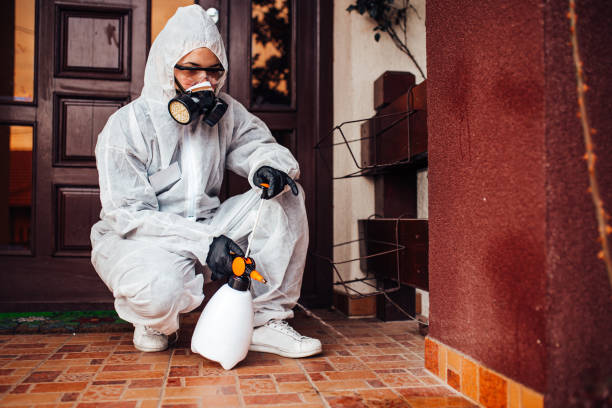
A bite pattern alone isn't proof — our technicians confirm live insects or casings visually before recommending heat or chemical treatment, so you're not paying to treat a problem that isn't there. Bed bugs travel in luggage, secondhand furniture, and shared laundry facilities, so a Parker case often traces back to a specific recent trip or delivery.
A technician confirms live activity or casings before recommending heat treatment, chemical treatment, or a combined approach.
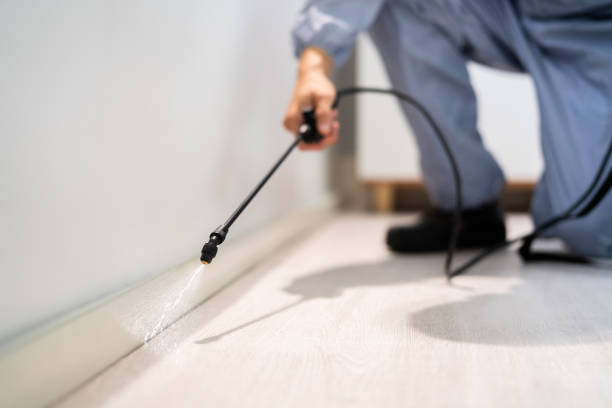
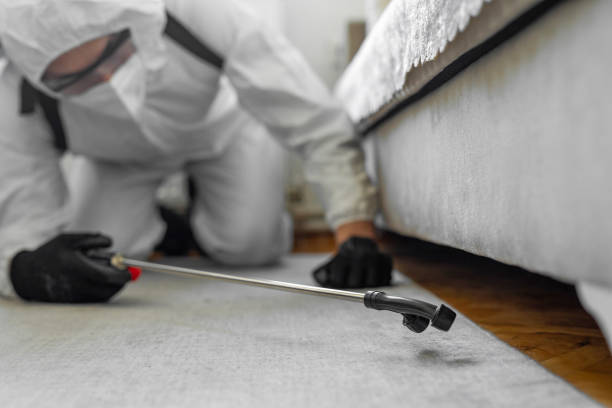

Our Bed Bug Control crew is specifically trained on thermal remediation equipment, not just chemical application.
Bed bug calls get scheduled quickly since populations spread between rooms — and sometimes between units — within days.
Pricing is based on room count and infestation severity, quoted in full before treatment begins.
Interceptor traps placed under bed legs monitor activity between visits without any chemical exposure.
Thermal remediation penetrates mattresses, box springs, and wall voids that liquid treatment often misses.
We apply residual product specifically to harborage points identified during inspection, not a blanket room fogging.
Encasements trap any remaining bugs inside and prevent new ones from establishing in the mattress seams.
Interceptors placed under bed and furniture legs catch bugs attempting to climb up, giving us a visible activity count between visits.
We work directly with property managers to schedule multi-unit treatment with minimal tenant disruption.
A dedicated clearance visit confirms zero activity before we consider the case closed, not just an assumption after treatment.

Tell dispatch which rooms are affected so the technician arrives prepared with the right equipment for your case size.
Our mobile units carry thermal remediation gear specifically for same-day Parker bed bug response when needed.
We confirm live activity or casings, assess room count and severity, and quote the full multi-visit protocol upfront.
Initial treatment happens the same visit, with a two-week follow-up and final clearance check built into your plan.
Came back from a trip with bites and panicked, but the technician stayed calm, found the actual harborage in the box spring seam, and walked me through the whole heat treatment process.
As a property manager, having a company that handles multi-unit protocol correctly saved us from a much bigger spread.
The encasements they recommended after treatment have kept things clear for six months now.
Appreciated that they explained why the interceptor traps mattered — actually seeing zero activity at the follow-up meant a lot more than just taking their word for it.

Nex Pest Control dispatches bed bug-certified technicians throughout Parker and nearby communities, with heat and monitoring equipment stocked and ready. Coverage extends to hotels and short-term rentals across our Parker service area, where discretion matters just as much as treatment quality.

Interceptor traps placed during the first visit can also confirm activity within a night or two if it's unclear on inspection.
It depends on infestation size and layout — heat reaches wall voids and furniture in one session, while chemical treatment suits smaller, localized cases.
Most cases follow a three-visit protocol: initial treatment, a two-week recheck, and a final clearance inspection.
Usually not — encasement traps remaining bugs and prevents new ones from nesting, so replacement is rarely necessary.
That's why we recommend inspecting adjoining units in multi-family buildings before treating just one apartment.
We'll send simple prep instructions — bagging laundry and clearing floor space — specific to whether it's heat or chemical treatment.
Call +1-866-315-0243 for a discreet, same-day inspection.
Call +1-866-315-0243